



Every April, the California desert transforms into more than just a music venue—it becomes a global stage where fashion, celebrity culture, and artistic expression collide. Coachella 2026 has once again proven that the festival is no longer just about the music; it is a carefully curated spectacle where personal branding, style evolution, and cultural influence take center stage.
This year’s festival opened with an unmistakable energy. From headline performances to exclusive brand activations, Coachella has solidified itself as a hybrid event—part concert, part fashion week, part influencer summit. The presence of high-profile celebrities, trendsetting models, and social media icons underscores how deeply embedded the festival is in contemporary pop culture.
At the heart of this transformation lies fashion. Once synonymous with flower crowns and bohemian clichés, Coachella style has matured into something far more dynamic. In 2026, the aesthetic is less about adhering to a single “festival look” and more about individual expression. The desert has effectively become a runway where nostalgia, streetwear, luxury branding, and performance practicality intersect.
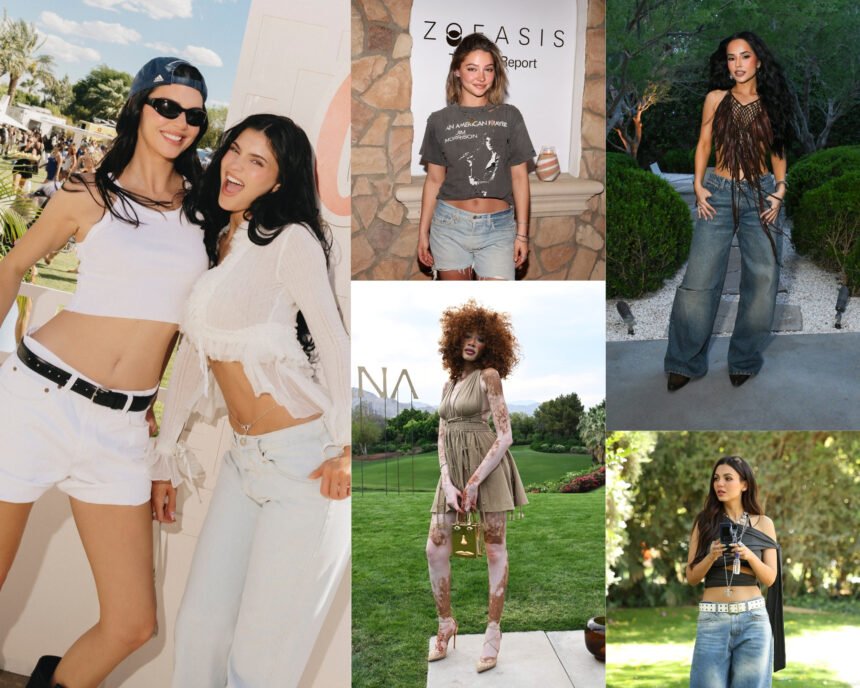
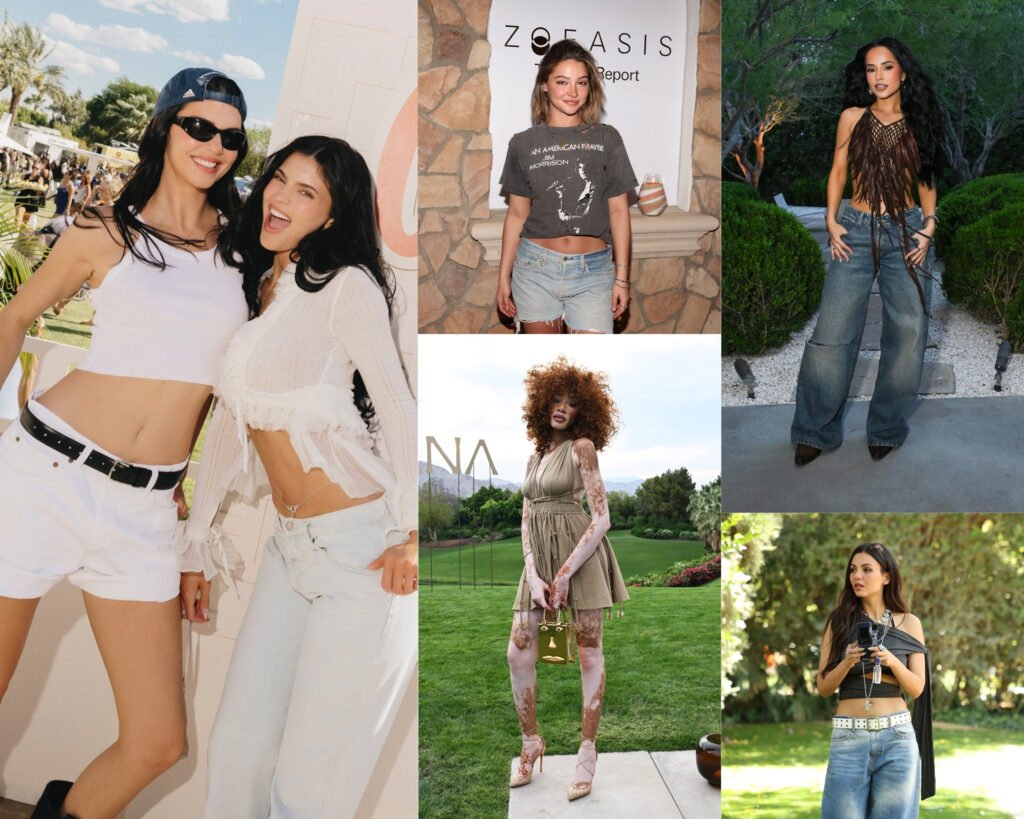
One of the most notable shifts this year is the dominance of personalized, brand-driven outfits. Kylie Jenner, for example, opted for playful artist merchandise, signaling a move toward fashion that aligns closely with music fandom and identity. Meanwhile, Kendall Jenner embraced minimalism with a monochrome white ensemble, reinforcing that simplicity can still command attention in a sea of maximalist outfits.
This contrast highlights a broader trend: Coachella fashion is no longer monolithic. Instead, it reflects a spectrum of influences—from Y2K nostalgia to athletic wear, from Western-inspired pieces to polished, heat-conscious tailoring. Amelia Gray’s sporty aesthetic demonstrates how functionality is becoming just as important as visual appeal. Festivals are physically demanding, and fashion is adapting accordingly.
Equally significant is the role of casual styling. Madelyn Cline’s relaxed band T-shirt and denim combination suggests that authenticity is gaining ground over overly curated looks. This return to simplicity feels intentional, almost as a counterbalance to the high-gloss, brand-heavy environment that Coachella has become.
Yet, the festival hasn’t completely abandoned its roots. Elements of classic Coachella style—like fringe, leather, and airy silhouettes—still make appearances, albeit in more refined and modern interpretations. Becky G’s leather fringe top is a perfect example: it nods to tradition while updating the look with sharper construction and contemporary styling.
Beyond individual outfits, what truly defines Coachella 2026 is its ecosystem of events. The festival extends far beyond the main stage, encompassing exclusive dinners, brand-sponsored parties, and influencer-driven gatherings. Events like the Revolve Festival and Zoeasis dinner have become just as important as the performances themselves, offering curated spaces where fashion and networking converge.
These satellite events reveal another critical dimension of Coachella: its role as a marketing powerhouse. Brands leverage the festival’s visibility to launch products, create viral moments, and align themselves with influential personalities. Whether it’s a beauty activation or a limited-edition accessory, every element is designed for maximum exposure across social platforms.
Social media, in fact, is the invisible engine driving Coachella’s evolution. Outfits are no longer just worn—they are documented, shared, analyzed, and replicated in real time. The festival experience now extends far beyond attendees, reaching millions of viewers worldwide who consume it through curated feeds and highlight reels.
This digital amplification has also elevated the importance of performance aesthetics. Artists and performers are not just judged on their music but also on their visual storytelling. Stage outfits, choreography, and collaborations all contribute to a larger narrative designed for both live audiences and online virality.
Looking ahead, Coachella’s trajectory suggests an even deeper integration of culture, commerce, and creativity. The lines between artist, influencer, and entrepreneur continue to blur, and the festival serves as a testing ground for this new hybrid identity.
In many ways, Coachella 2026 reflects the broader state of modern culture. It is fast-paced, image-driven, and highly interconnected. Yet within that complexity, there remains a core appeal: the celebration of creativity, individuality, and shared experience.
The desert may be temporary, but the impact of what happens there resonates far beyond its sandy boundaries. Coachella is no longer just an event—it is a cultural barometer, capturing the evolving language of fashion, music, and identity in real time.


